Growing Curiosity at Kindezi:
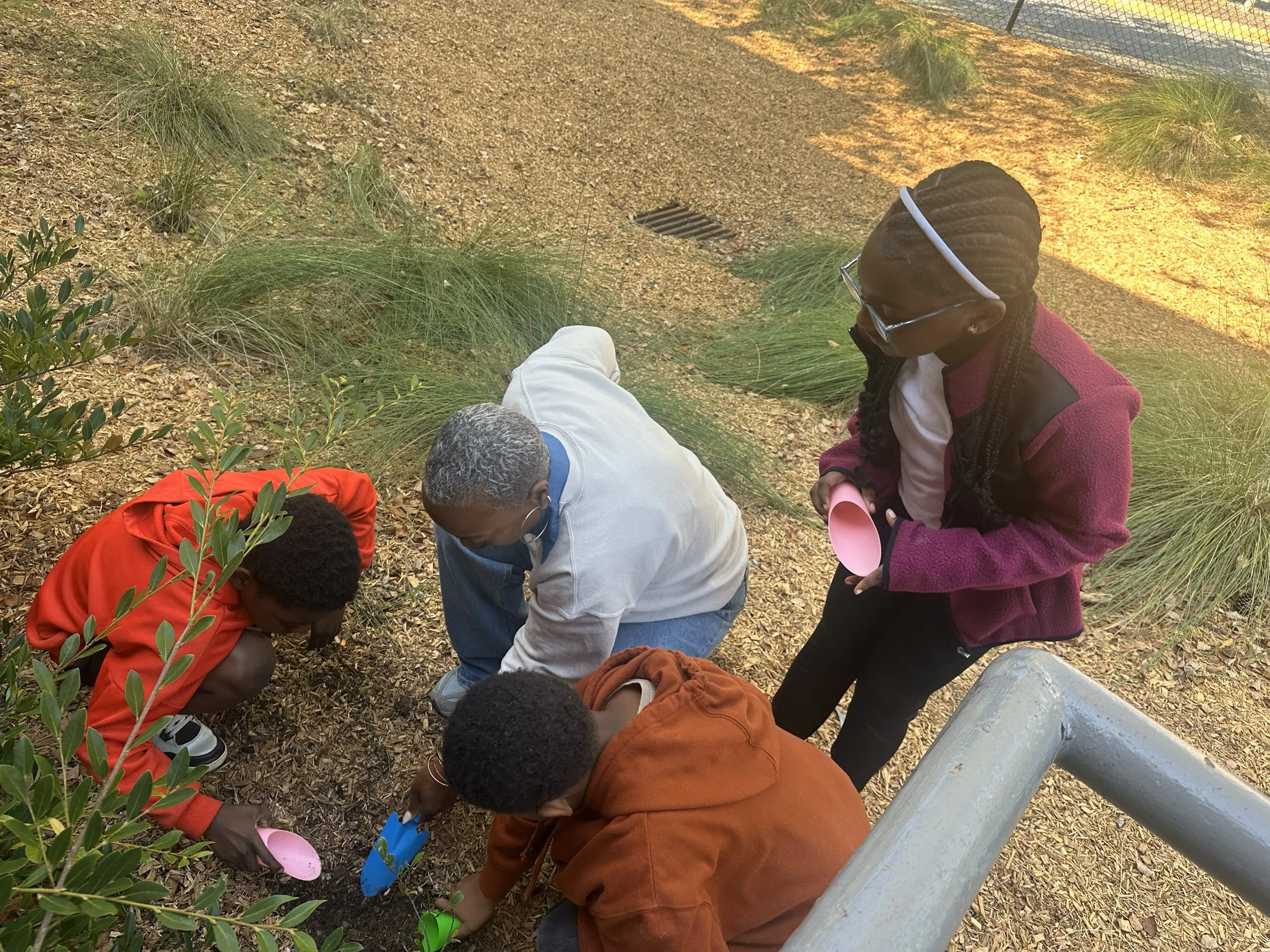
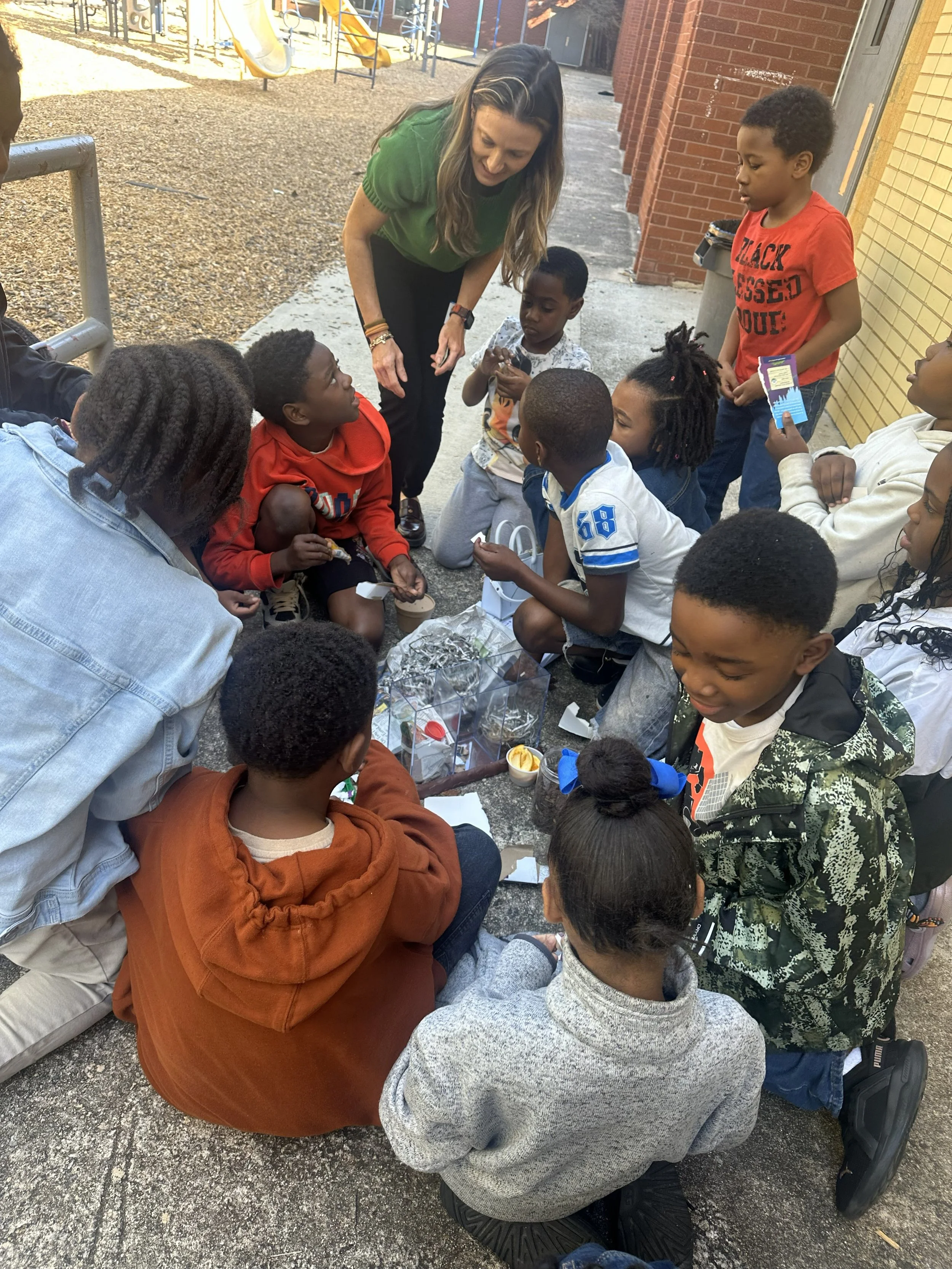
Five third grade classrooms at Kindezi Schools, part of Atlanta Public Schools, recently rolled up their sleeves and dug into something special. Through My Green Earth’s Garden Classroom Kit, students explored soil, decomposition, recycling, and the ways people care for the environment around them. The immersive experience sparked curiosity across classrooms. Teachers described the lesson as “academic rich,” “vocabulary rich,” deeply engaging, and full of lightbulb moments that continue to show up in student writing and STEM journals.
The lesson was led by Dajawn, My Green Earth’s Natural Resources Manager, whose enthusiasm for ecology and sustainability inspires curiosity in the students. After the lesson wrapped up, teachers from all five classrooms gathered to reflect on what they observed. Their feedback highlighted just how powerful hands on, sensory rich science can be.
Why Teachers Would Recommend the Experience
Right away, teachers made it clear: this lesson was a powerful match for their curriculum.
Mrs. Acker shared that she would “absolutely recommend” the experience to other teachers because it aligned directly with their ongoing Project-Based Learning (PBL) unit on how to provide fruits and vegetables during colder months. The Garden Classroom Kit’s exploration of soil health and worm activity connected seamlessly:
“It was academic rich, vocabulary rich… and aligned with our topsoil standard in third grade.”
The Garden Classroom Kit is designed to support the Georgia Standards of Excellence for Grade 3, specifically S3L2, which focuses on pollution, conservation of resources, and recycling. Students learn to evaluate and communicate information about organic vs. inorganic materials, decomposers, and how humans impact the environment.
Students Who Usually Hesitate Became Fully Engaged
One of the most meaningful takeaways for teachers was how involved students were, including those who often hesitate during experiential activities.
Mrs. Maynard shared:
“Some of my students that I thought wouldn’t be as interested or might have texture issues were deeply engaged… They participated in ways that were comfortable for them.”
The lesson offered ways to participate through touching, observing, talking, and listening. Every student was able to engage in a way that felt right for them.
Vocabulary Retention and Contections
Teachers were pleasantly surprised by how well students remembered and used new vocabulary, even words that had not been reviewed beforehand.
Mrs. Mills reflected:
“They were pulling vocabulary we didn’t even connect beforehand… they really were showing what they knew.”
Key terms like organic, inorganic, decompose, pollution, reduce, reuse, recycle, and compost were woven throughout the lesson and recorded in students’ Nature Journals. That learning carried over naturally into writing and science journals.
Mrs. Maynard shared:
“I’m noticing it in the writing… Their journals looked really good because of it.”
Lightbulb Moments: Soil Layers, Worm Movement, and Student Discussions
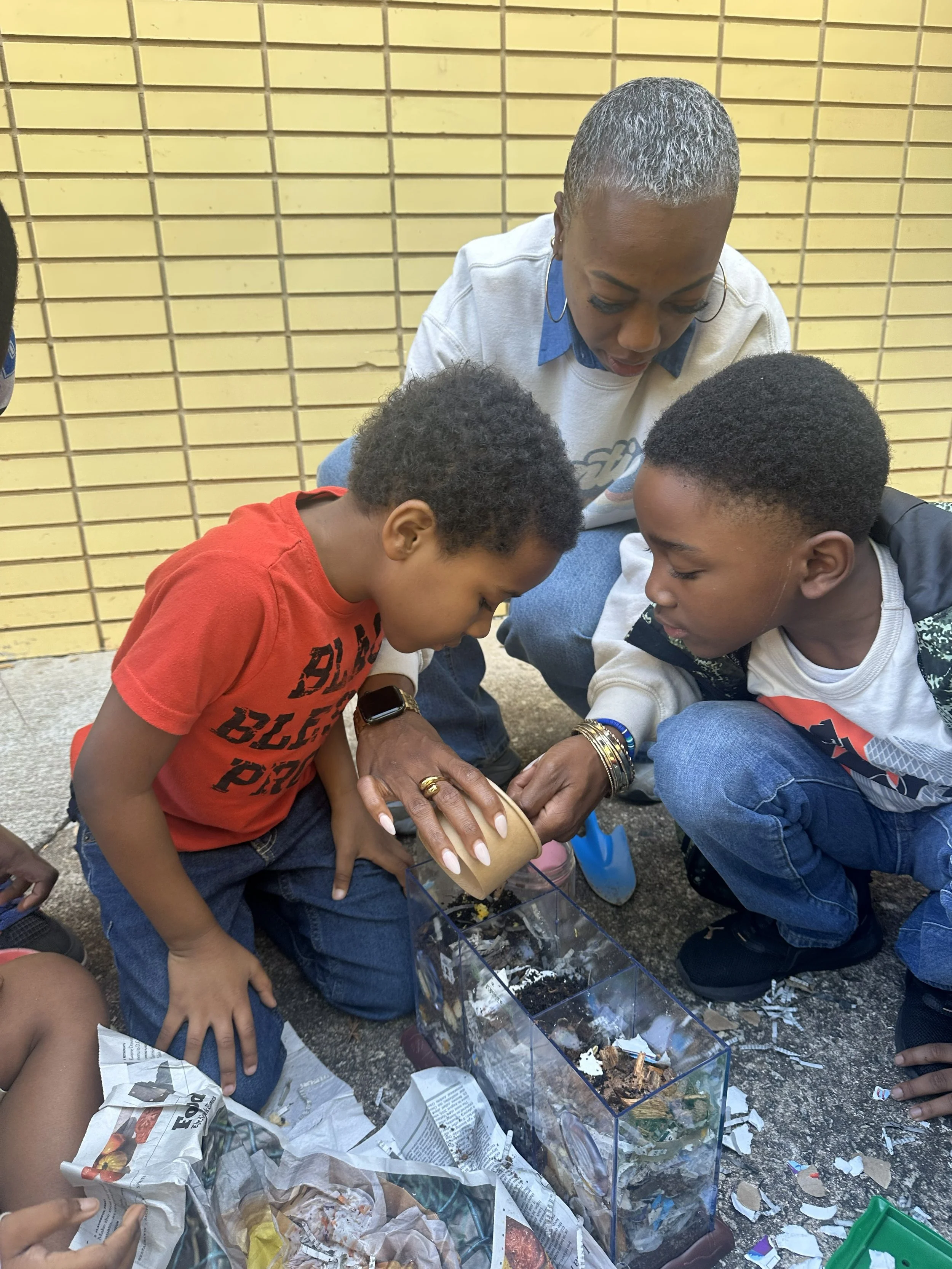
When asked about lightbulb moments, teachers smiled as they recalled conversations about the Decay Lab portion of the Garden Classroom Kit. During the activity students layer soil, newspaper, cardboard, food scraps, and worms, then they predict and observe the process of decomposition over a 10-12 day period.
Mrs. Mills described spontaneous “Breakout conversations”:
“They started talking… ‘How are they going to get through this? How are they going to do that?’ Everyone just had conversations about how the worms were going to move.”
These moments captured one of the core design elements behind the kit. Students were not just learning science, they were thinking like scientists, observing real phenomena, asking questions, and reasoning together.
Representation Matters
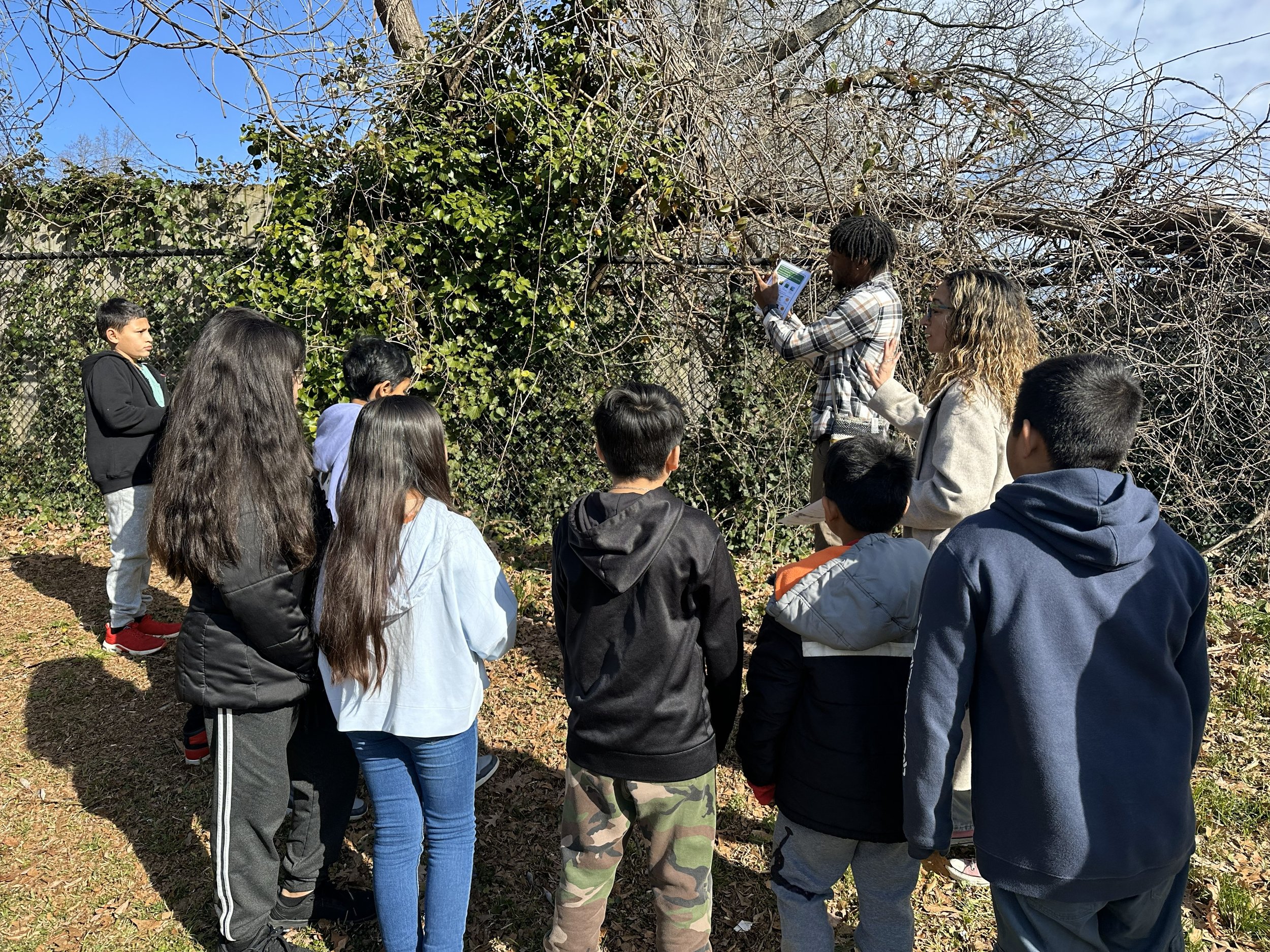
One particularly meaningful moment came when a teacher shared how her daughter reacted after meeting Dajawn:
“The spark in her eyes when she realized somebody who looks like her is doing the kind of science she’s interested in… I was like, girl, what you waiting on?”
Dajawn shared that he often sees similar reactions:
“As a young Black scientist… I want to show other people that it’s pretty cool.”
Representation matters, and moments like these help students see that science is a path they can choose.
Why Hands-On Learning Works
Teachers emphasized that engaging the senses made abstract ideas accessible.
Mrs. Acker said:
“It took what they were reading on paper and brought it to life… All senses were engaged.”
Students touched soil, observed worms at work, and returned to the Decay Lab over several days to track changes. Through this process, they explored a big idea at the center of the kit: when we take care of our school and planet, we take care of all living things.
A Growing Partnership with Kindezi
This visit reflects My Green Earth’s growing collaboration with Metro Atlanta schools, grounded in hands on science, environmental stewardship, and access to meaningful outdoor learning experiences
The teachers’ feedback shows just how transformative this experience was for their third graders:
Deep engagement
Strong vocabulary retention
Increased confidence in science
Student-led discussions
A sense of belonging in environmental science
By the end of the experience, students walked away with more than new vocabulary or science facts. They left with a deeper understanding of how living systems work and a growing sense of responsibility for the world around them.
Bring the Garden Classroom Kit to Your School
My Green Earth offers Garden Classroom Kits and in-house field trips across Metro Atlanta. If your school is interested in hosting a similar experience or integrating soil, worms, composting, and recycling into your curriculum, we would love to connect.
Email us at info@mygreenearth.org to explore bringing this program into your classroom!